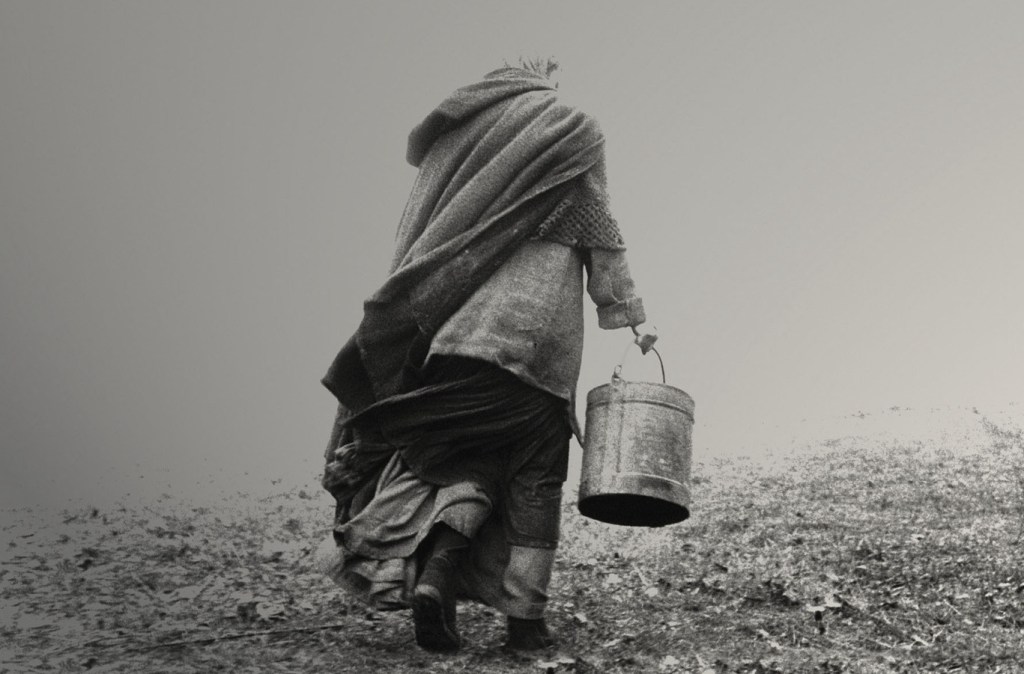
2011 | Directed by Béla Tarr
The Turin Horse has been on my watchlist for quite some time, but the slowness and perceived difficulty of it had me waiting until László Krasznahorkai, who wrote it together with Béla Tarr, received the Nobel prize in literature in 2025, and Tarr himself passed away in 2026. I expected it to be difficult, and perhaps going into it with that mindset contributed to the enjoyable experience of watching it.
This is not the kind of film you sit down to watch on a Friday night to unwind from work. It requires focus, an open mind, and curiosity, but it rewards those who make the effort. I found The Turin Horse to be a great example of show, don’t tell. There’s barely any dialogue, still, the viewer gets to know the main characters quite intimately. We see that the old man is semi-paralyzed, the hopelessness shown through action, and the constantly present wind is heard and felt. The monotony of the main characters’ lives is strangely hypnotizing, and the unstoppable march of time is made tangible through the slight variations in events from day to day. There’s no intriguing adventure for you to enjoy. There’s simply a windswept landscape and dull reality there for you to experience for yourself, with no one there to guide you toward any answers.
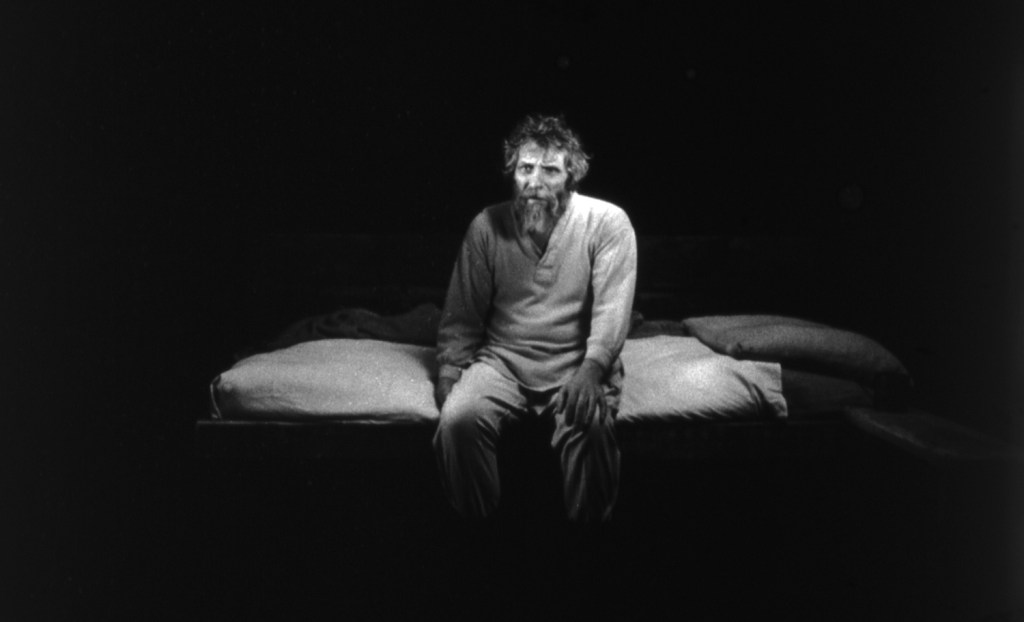
One question is bound to appear for most viewers of this film: What does it mean? The message isn’t made explicit, which is part of the charm. Through the narration, a clear connection with the philosopher Friedrich Nietzsche is established, but the viewer is left to find meaning, or a lack of meaning, in the events for themself. Time moves forward unceasingly, forcing those who have yet to give up on life to eat, drink, sleep, and power through the hostility of human existence. For me, a close-up of a wagon wheel slowly spinning symbolized the eternal cycle of the two main characters’ struggle, repeating itself again and again, until worn down by the passage of time. The beauty of films like The Turin Horse is that the viewer is allowed to find their own meaning in the images shown, inviting them to take part, think, and co-create.
Still, the most impressive aspect of The Turin Horse is the cinematography. Almost every frame is an artwork in its own right, and the viewer can almost feel the fibres of the clothing and the heat from the boiled potatoes against their fingertips.
If you enjoy movies that challenge you and force you to think, The Turin Horse is a good option. The barren and windswept landscapes will allow you to think and reflect, to find your own meaning and creativity in their monochrome beauty.
 Tim Fahlstedt
Leave a comment